Go back

Just live here.

A place where you don’t have to prove anything.

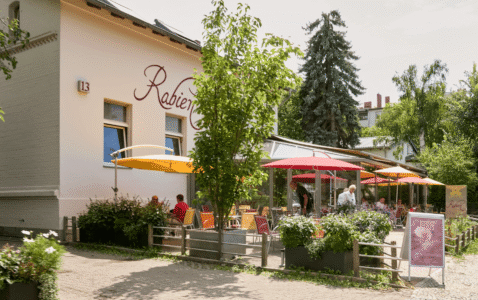
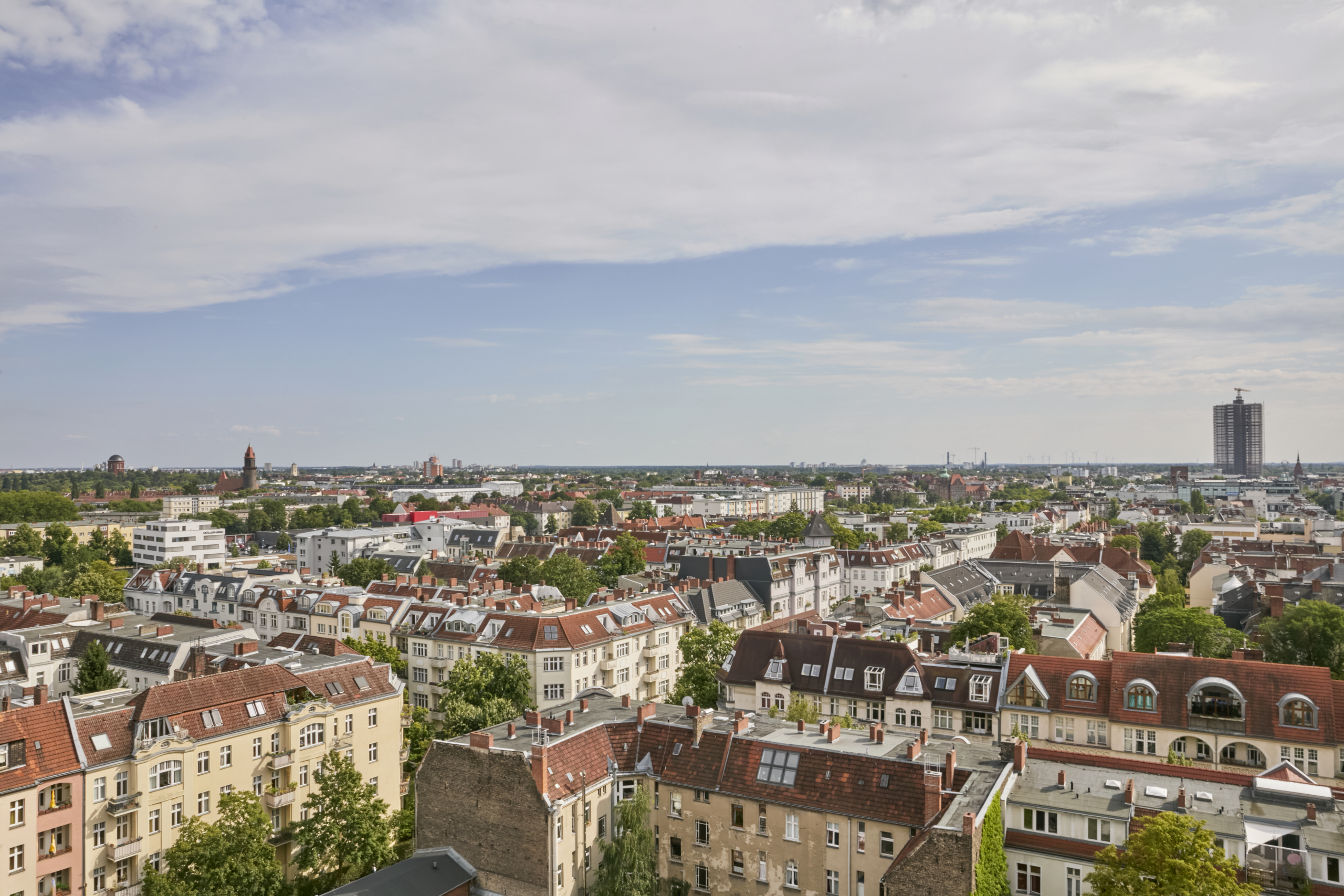
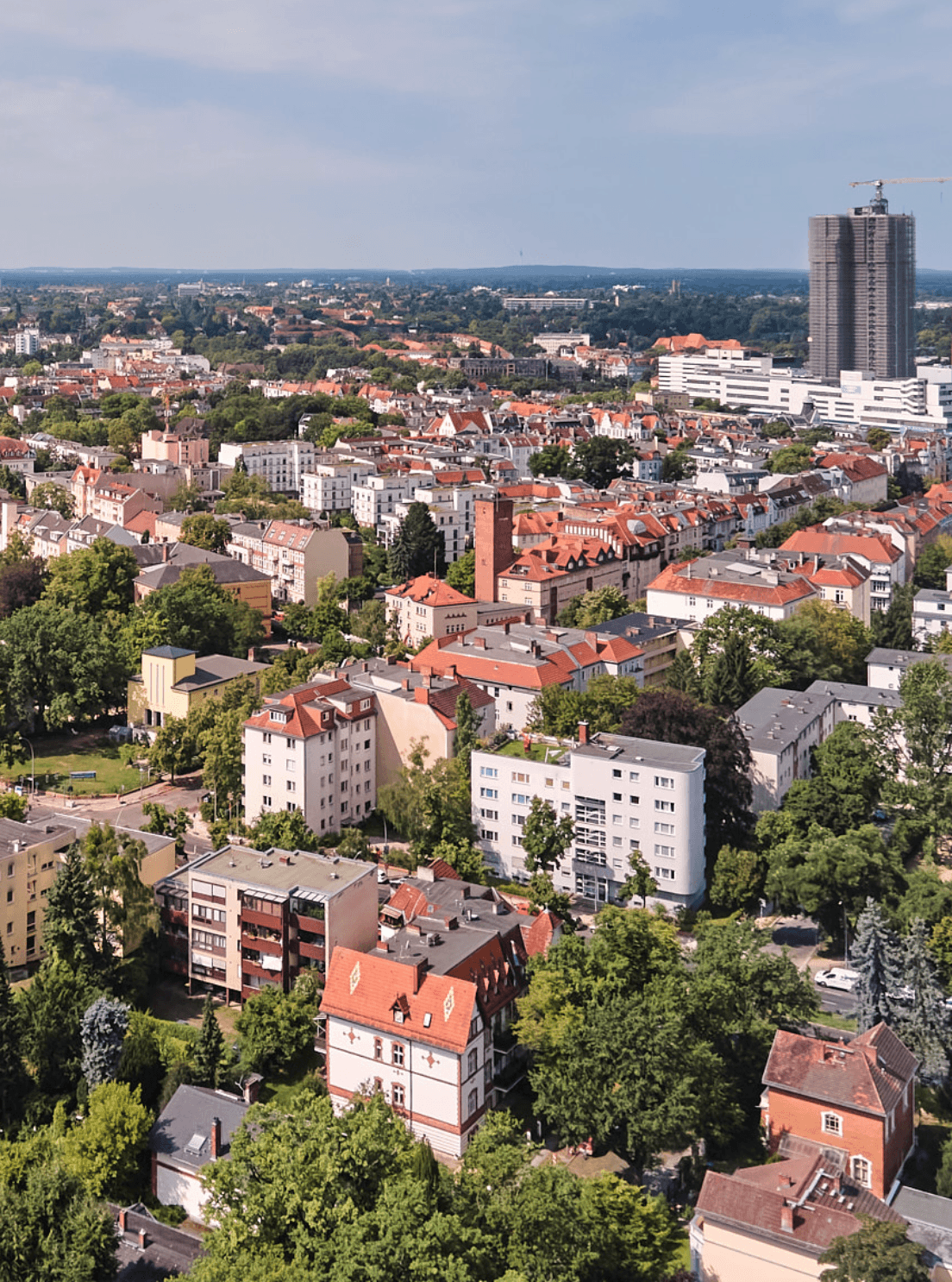
Steglitz doesn’t show off, and that’s exactly why people like it. Wide pavements, old trees, front gardens where someone is trimming the hedge. A baker who’s already bagging your rolls before you’ve said a word. The loudest things on the street are usually the sparrows.

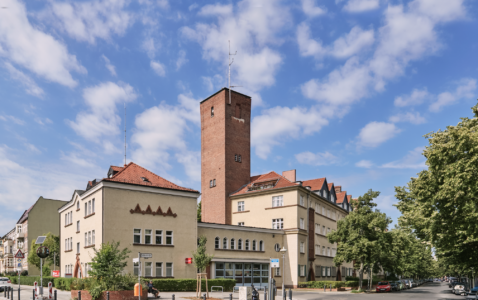
For families, what matters most starts on your own street. The primary school in Plantagenstraße is a few doors down, and there’s a Kita and a children’s swimming school as well. All on the same street, all on foot. Children here walk to school on their own from their first school year.

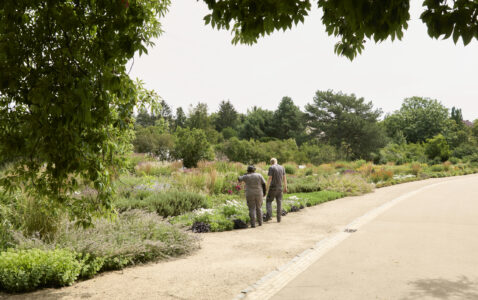
Rathaus Steglitz is a few minutes away on foot. The U9 and the S1 both stop there: the U9 into town, the S1 straight through to Potsdamer Platz without changing. The Botanical Garden is one S-Bahn stop in the other direction.

Schloßstraße begins at the same spot, with doctors, public offices, the district library and the big shopping centres. You’ll still do the weekly shop at the supermarket round the corner.

Some would call an area like this staid. We’d call it simple. Everything close at hand, little friction, plenty of room for a life of your own. There’s no bar here that everyone’s talking about right now. There are neighbours who’ve been here for decades and mean to stay. A Kiez doesn’t have to be spectacular to be the right one.
https://liven.de/wp-content/uploads/2026/09/242_liuc_liven_plastra_1010-scaled.jpg

Plantation Road

https://liven.de/wp-content/uploads/2026/09/primary-school.png

Primary school

https://liven.de/wp-content/uploads/2026/09/liven-cafeteria-1.png

Bakers & Shops

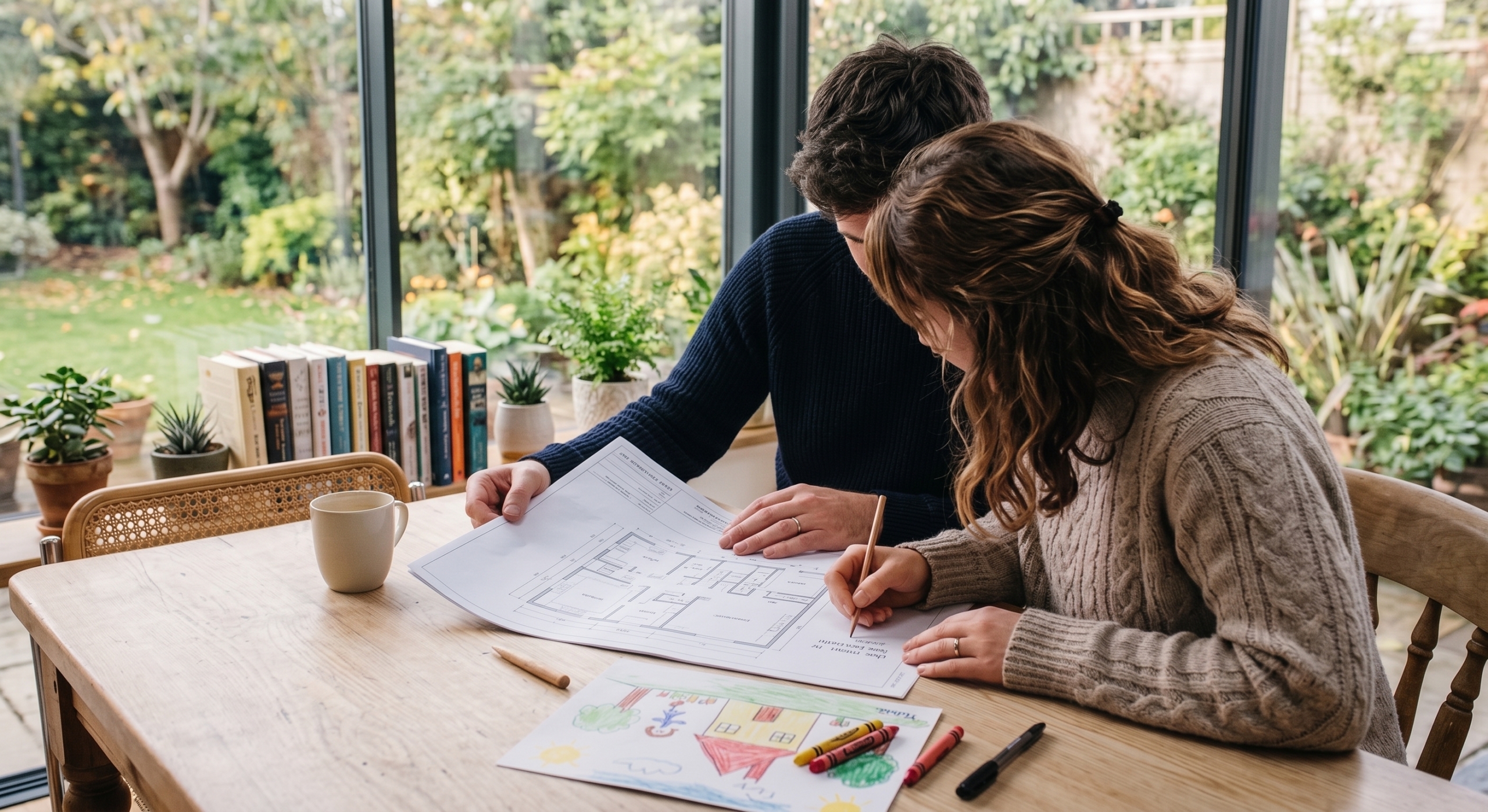
Floor plans that can still change.

We’ve prepared several versions, and if none of them fits, we change them. Perhaps you need a second bathroom, a room that starts as a child’s bedroom and later becomes a study, or a utility room that genuinely holds the washing machine, the dryer and all the family clutter.

You tell us how your day actually runs: where do the bikes go? Who leaves the house first in the morning? Tell us what’s missing from the plan; our architects check what can be done structurally, and you get the adjusted floor plan back.

Adapting the prepared floor plans to your wishes is included in the price; it’s part of how we work. One thing worth knowing: the earlier you’re involved, the more can be changed. Before construction starts there’s the most room to manoeuvre; after that it shifts step by step from the walls to the finishes.

Adapting the preliminary floor plans to your wishes is included in the price; it’s part of our standard working practice. There’s one thing you should know: the earlier you get involved, the more can be done. Before construction begins, there’s the greatest scope for change; afterwards, it gradually shifts from the walls to the fittings.

You see the price while you choose.

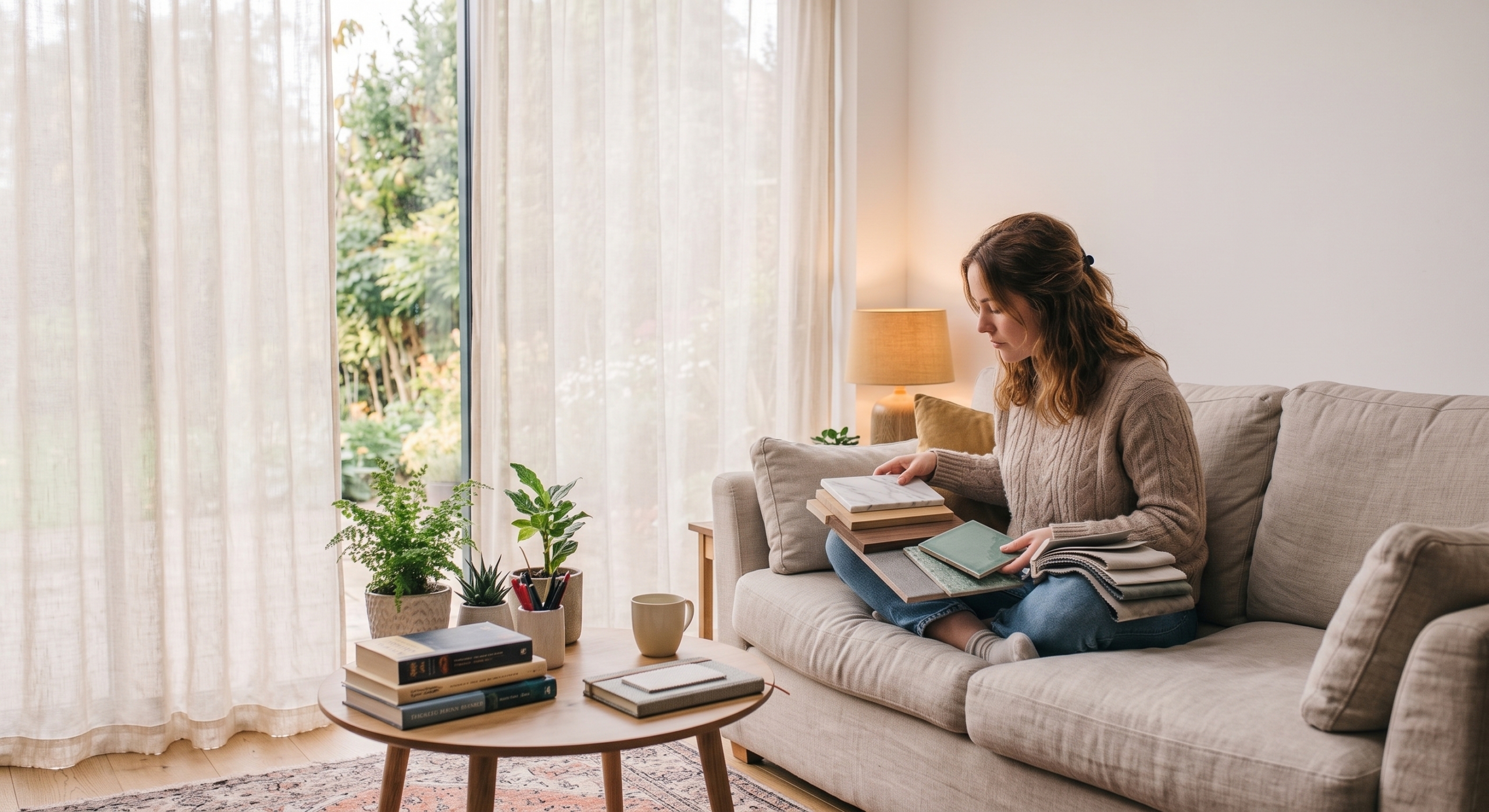
Interior Mode is our online configurator. Here you choose the parquet, the tiles, the taps and the doors, right down to where the sockets go. You put your home together from the sofa, at your own pace, as often as you like, and everything can still be changed until you confirm it. Every choice appears with its cost in your summary, and those figures then form the basis of your purchase contract.

So you can weigh up, in your own time, whether the herringbone parquet in the living room is worth more to you than the fully tiled bathroom.

If you’d like, it goes one step further: kitchen, fitted wardrobes and matching furniture all come from us, coordinated with the materials you’ve chosen anyway. One point of contact, one delivery date – on moving-in day everything is where it belongs.

Just pick basil outside your own front door.

The courtyard is planned as a real garden. The old trees stay; new ones go in fully grown and give shade from the first summer on. Then there are raised beds where things actually grow: tomatoes, herbs, strawberries for the children and, inevitably, courgettes nobody wants to eat by the end of the season.

The spade, the watering can and everything else you’d rather not keep in the apartment go into the shared tool room. There are water taps on the balconies and terraces, so the plants survive August too. The raised beds are there. Whether you use them is up to you.

Next to the letterboxes there’s a bookshelf for everyone: walk over, take something, put something back.

And a shared corner in the courtyard with a few benches. That’s all it takes for people to stop for a moment and say hello, and in time that turns into a neighbourhood: someone watering your plants while you’re away, borrowed drills, cuttings changing hands. The aim is a courtyard that looks better in five years than it does on handover day.

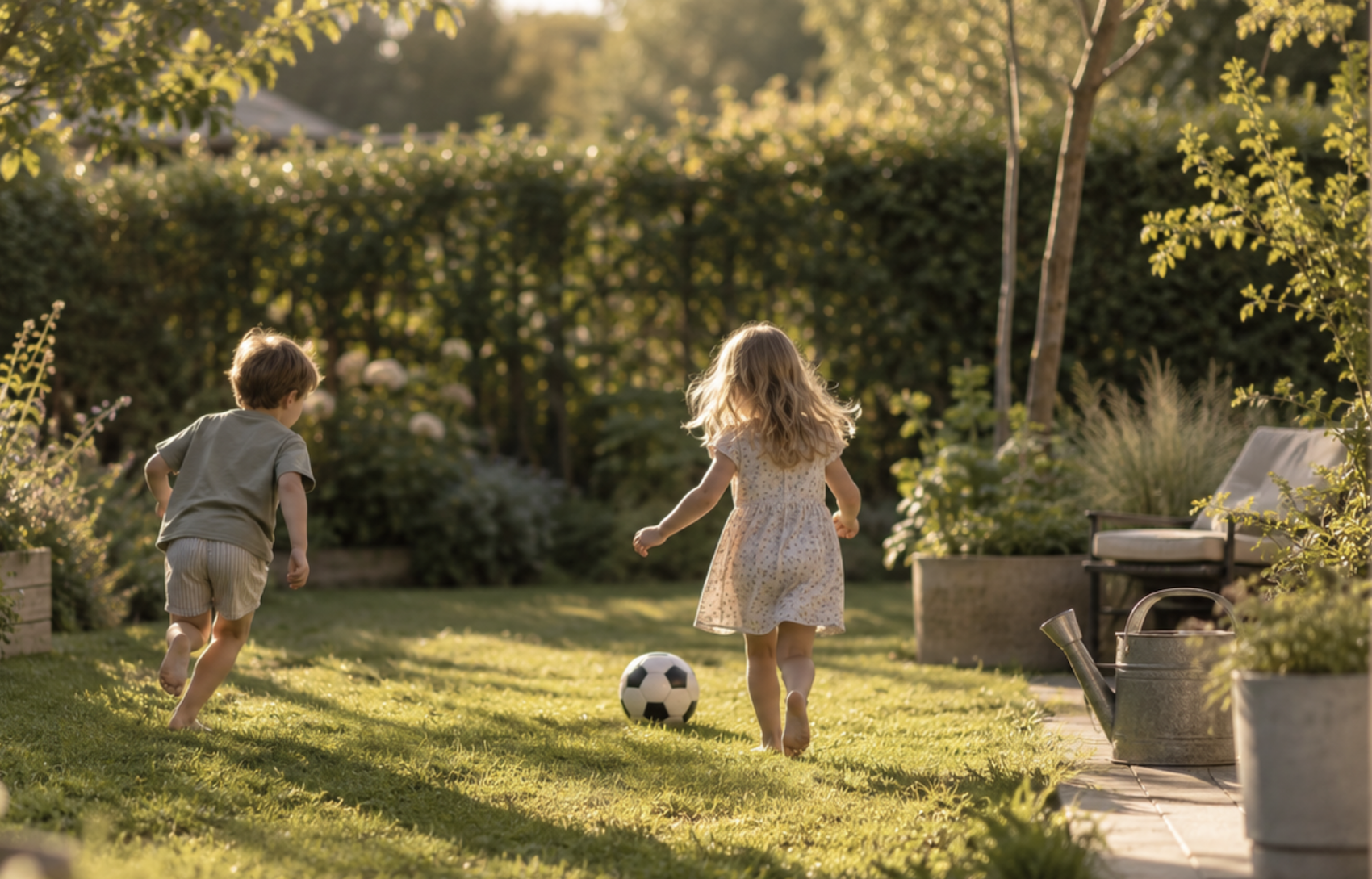
Just send the children down to play.

The courtyard is car-free and sits sheltered between the front building and the garden house, screened off from the street. In everyday life that’s the difference between “I’ll come down with you” and “give me a shout if anything happens”.

Many of the family apartments face the courtyard – so you can start dinner and still see from the kitchen window where your child has got to. Anyone moving from an apartment on a main road knows how much difference that makes.

And as the children get older, their world stretches further than the courtyard gate. In Steglitz, school, Kita, the sports club and friends are all close enough for children to make the journey themselves: first as far as the corner, then as far as training.

Just get on your bike, even with a child and the shopping.

A passageway leads step-free from the pavement into the courtyard. The door opens automatically, even for a seven-year-old with their own bike and no free hand. From saddle to bike rack, you don’t need a second adult.

In the courtyard the bikes are kept under cover and locked up, with charging points for e-bikes and cargo bikes, plus a small repair station for the moments when the chain has come off again. One family bike, two children’s bikes and a trailer – that was never going to fit in a basement storage cage.

Details like this determine whether the bike gets used every day or sits untouched for a year. And when you need to go further afield: U-Bahn, S-Bahn and bus are all within walking distance.

Staying warm on very little heating.

The front building and the garden house are being built to the KfW 40 standard: very good insulation, triple-glazed windows, an efficient heat pump and photovoltaics on the roof. The difference isn’t in how you heat later, but in how little heating is needed. A building envelope and technology of this quality need considerably less energy for the same indoor temperature.

An unrenovated old building spends a good part of the winter heating the street. Here the warmth stays in the apartment, and that shows up on your service-charge statement. The KfW 40 standard may also give you access to current KfW funding programmes; we’re happy to work through what that means for your monthly outgoings, using your own figures.

On top of that comes what a new building brings with it: good sound insulation, lifts in both buildings, secure apartment doors and no backlog of repairs waiting to be paid for. Few people think about that at a viewing. They do when the first statement arrives.

Kaspar Storch

Contact person Berlin